Why Strength Training Matters After 40
Cardio alone won't cut it anymore. Discover why lifting weights is the secret to protecting your metabolism, bone density, and long-term health as you age.
If you've spent your 20s and 30s relying on the elliptical or running to stay in shape, you might be frustrated to find that those same routines are no longer working. As we cross into our 40s, our bodies undergo significant hormonal and metabolic changes that require a new approach to fitness.
The Metabolism Myth
It's a common belief that our metabolism naturally slows down as we age. While there is some truth to this, much of the metabolic slowdown is actually due to sarcopenia—the age-related loss of muscle mass. After age 30, we lose about 3-5% of our muscle mass per decade if we don't actively work to maintain it.
Muscle is metabolically active tissue, meaning it burns calories even when you're at rest. When you lose muscle, your resting metabolic rate drops. This is why you might be eating the same amount and exercising just as much, but still gaining weight.
Strength Training: The Ultimate Anti-Aging Tool
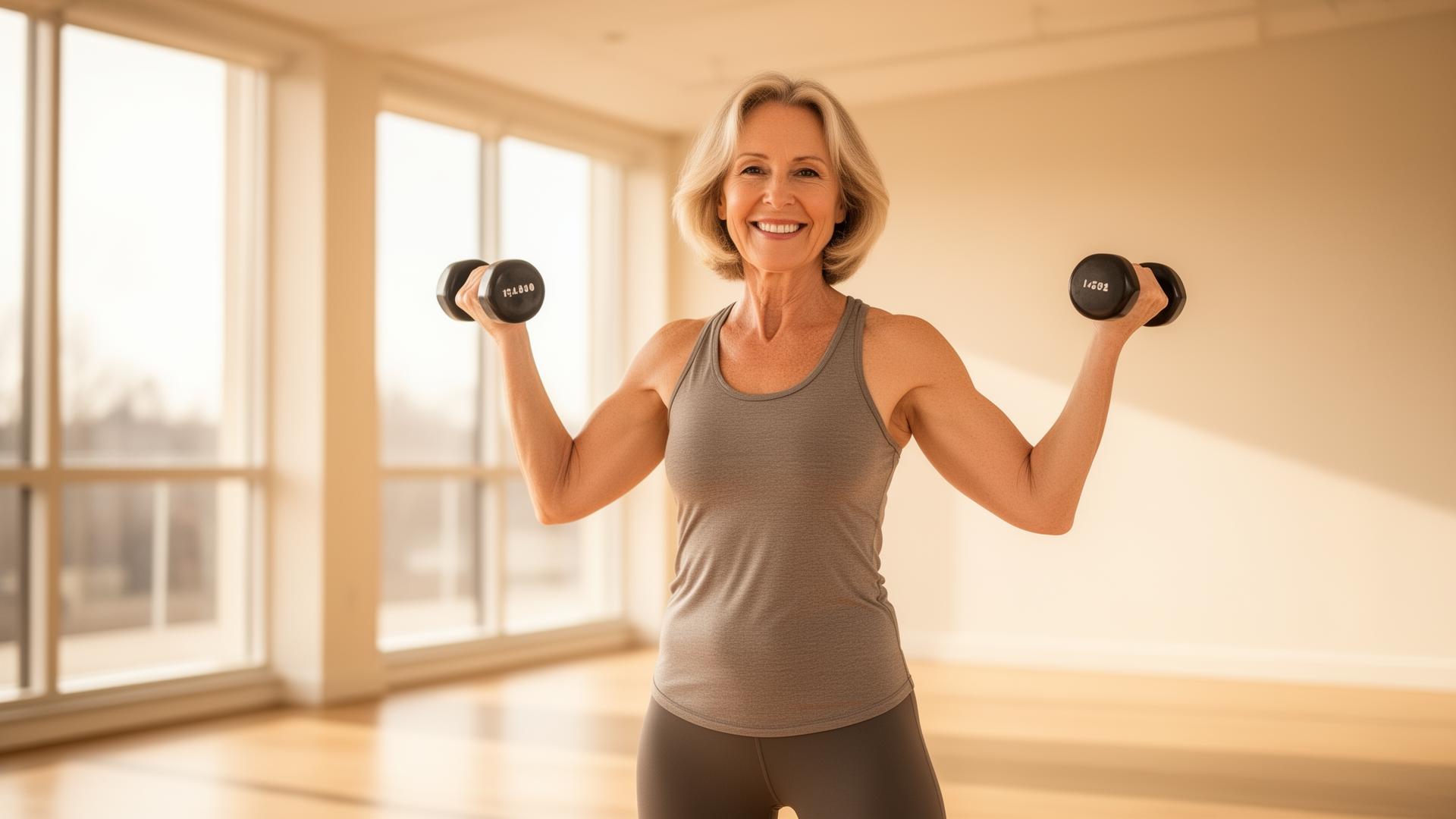
The solution isn't more cardio; it's strength training. Lifting weights signals your body to maintain and build muscle tissue. Here's why it's absolutely non-negotiable after 40:
- Bone Density: Osteoporosis is a real concern for women as estrogen levels drop during perimenopause and menopause. Heavy resistance training stimulates bone growth and increases density, protecting you from fractures.
- Hormonal Balance: Strength training improves insulin sensitivity and helps regulate cortisol levels, counteracting some of the negative effects of menopausal hormonal shifts.
- Functional Independence: Building strength now ensures you can continue to do the things you love—whether that's hiking, playing with grandkids, or carrying heavy groceries—well into your 70s and 80s.
How to Get Started
You don't need to become a bodybuilder to reap the benefits. Start with 2-3 days a week of full-body resistance training. Focus on compound movements like squats, deadlifts, pushes, and pulls. If you're new to lifting, working with a coach who understands the biomechanics of the aging body is the best way to ensure you're lifting safely and effectively. Pair it with how much protein you need after 40 and a few mobility exercises for adults over 40.
Where to start
If you aren't sure what your body needs right now, take the Metabolic Reset Quiz at fatlossbuffalo.com. It points you to a next step. You can also book a free Starting Point Session at our Williamsville or East Amherst studio.
Applied Fitness Team
Expert Coaches