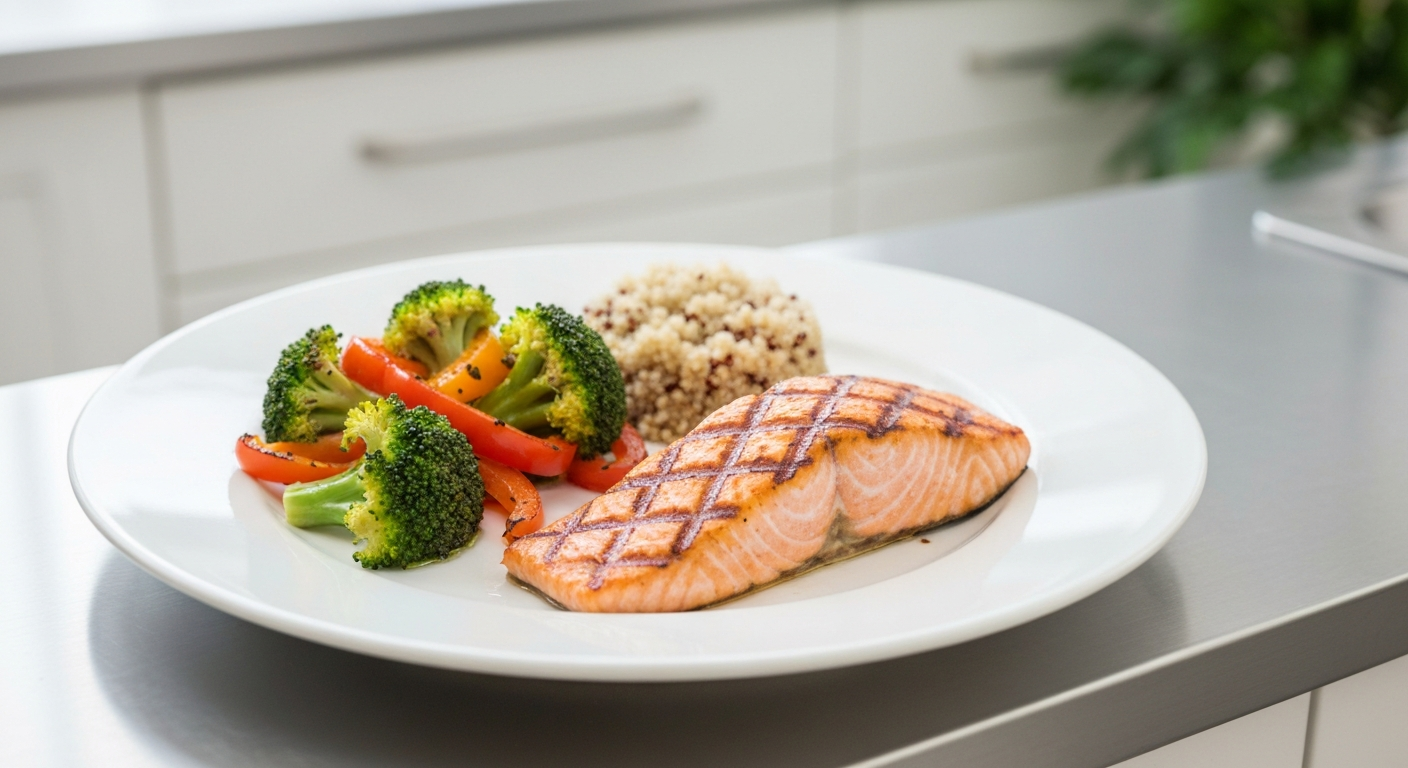
Navigating Nutrition During Perimenopause
Hormonal shifts change how your body processes food. Learn which macro-nutrients to prioritize and why extreme calorie deficits backfire during this transition.
Perimenopause can feel like a rollercoaster. Alongside the hot flashes and mood swings, many women notice a sudden shift in their body composition, particularly an increase in abdominal fat. This isn't a lack of willpower; it's biology.
The Role of Estrogen and Insulin
As estrogen levels fluctuate and eventually decline, your body becomes less sensitive to insulin. Insulin is the hormone responsible for shuttling glucose into your cells for energy. When you become insulin resistant, your body has to produce more insulin to get the job done, and high insulin levels promote fat storage, especially around the midsection.
Why Crash Diets Fail
The instinct for many women is to cut calories drastically. However, extreme calorie deficits are perceived by the body as a stressor. This spikes cortisol levels, which further exacerbates insulin resistance and muscle loss. It's a vicious cycle that leaves you exhausted and frustrated. Learn more about cortisol and belly fat.
Nutrition Strategies That Work
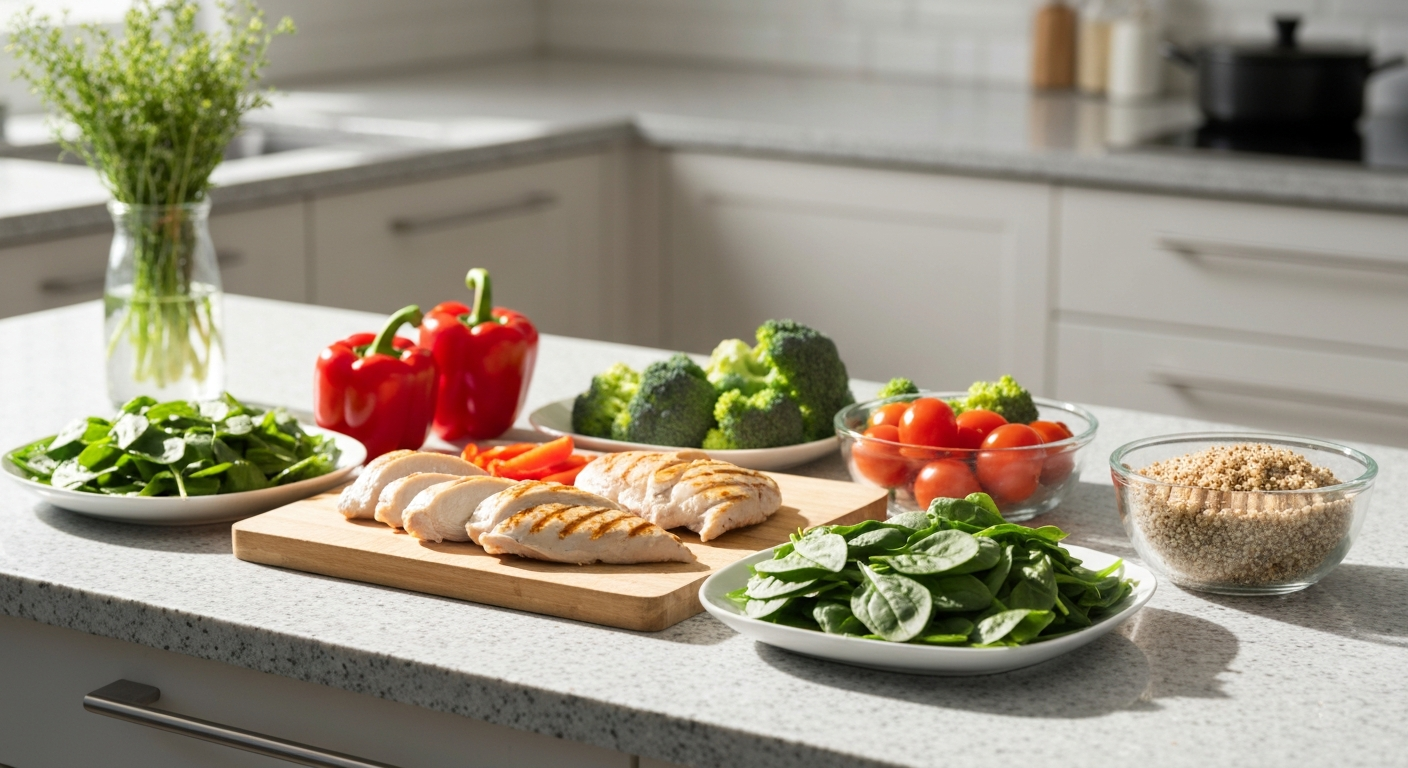
- Prioritize Protein: Protein is essential for maintaining muscle mass and keeps you feeling full. Aim for at least 30 grams of high-quality protein per meal.
- Manage Carbohydrates: You don't need to eliminate carbs, but focus on complex, fiber-rich sources like vegetables, legumes, and whole grains to keep blood sugar stable.
- Don't Fear Fat: Healthy fats from avocados, nuts, and olive oil are crucial for hormone production and joint health.
Want support beyond nutrition? Learn about medical weight loss and HRT.
Where to start
If you aren't sure what your body needs right now, take the Metabolic Reset Quiz at fatlossbuffalo.com. It points you to a next step. You can also book a free Starting Point Session at our Williamsville or East Amherst studio.

Applied Fitness Team
Expert Coaches